
The Oral History of Kutch
Beginning with the Story of Sindh Refugees (1971)
Kutch is more than a geographic region—it is a vibrant cradle of stories, traditions, and identities that have evolved through centuries of resilience, migration, and cultural exchange. With the Oral History of Kutch Project, Virasat Sanrakshan Association aims to document, preserve, and share the lived experiences of its people—beginning with the narratives of Sindh refugees of 1971.
This initiative is a commitment to ensuring that the voices, memories, and cultural legacies of Kutch are not lost to time but instead preserved through modern digital platforms for future generations and global audiences.
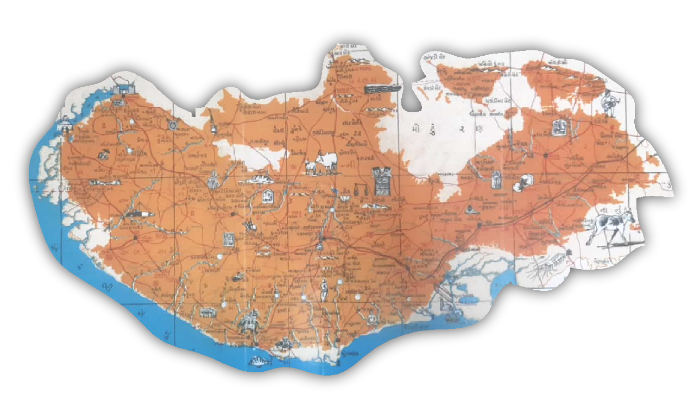
- To explore the cultural power of the region, we have designed a comprehensive Oral History program on Kutch.
- To establish cultural identity of Kutch.
- To preserve for posterity Oral Tradition/s for the future generation of Kutch.
- To pave the way for scientific documentation and create Digital Archive of Kutch.
- To create exhaustive Audio-Visual footage bank, to design for the most advance products in order to appeal younger generations with futuristic approach
- To create an Institution, which will carryon and preserve the legacy
- To consolidate the work done by several legends and to avoid repetition by creating one Umbrella organization
Objectives
- To present and promote the heritage of Kutch globally.
- To promote art and culture of Kutch.
- To document and record materials of items pertaining to heritage of Kutch wherever they maybe.
- To provide and make information available to the public via print, digital, and electronic media relating to cultural heritage of Kutch.
- To meet the technical requirements for preserving endangered Kutchi heritage objects in India.
Project Brief
As a nation or region, Kutch have a distinct identity and culture, which needs to be conserved through authentic documentation. With technological advancements, we now have the means and methods to preserve and maintain it, thus, it is our responsibility to save it in a more meaningful way with a modern approach.
We have lost numerous historical documents over the period of time due to natural disasters. To promote and preserve the heritage of Kutch, a feature in an audio-visual media form that includes graphics, images, and statistics is a need of an hour and the same can be accompanied by the Oral History of Kutch, which will be a mixture of regional sound and music.
Every human being holds history with them through their actions over time. This history must be recorded orally, textually, audibly (written), and now in cinema format, as new digital technology has made it probable so that it can be contemplated globally through the most recent outlets.
Vision
- To highlight and preserve the rich cultural heritage of Kutch.
- To collate the Oral History of Kutch which shall help us to inculcate the past history accompanied with experience.
Roadmap
- Creating the Database on Kutch with various permutations and combinations.
- Creation of Digital Archive on Kutch.
- Recording of Oral History on Kutch (bilingual)
Mission
- To create unique and user-friendly database on Kutch (Subjective & Objective).
- To create Digital Archive (Documents, Photographs, Sound and Music) of Kutch.
- To collect and visually present information about Kutch’s history.
- To collect and preserve Oral histories of the Kutch community, tribes, culture, food, religion, people, etc.
- We accomplish this by conducting interviews, making oral history audio recordings and transcripts available to the public, creating and promoting videos and podcasts.
Why It Matters
Every human being carries history within them—through stories, memories, and traditions. If not documented, these stories risk fading away with time. By preserving the oral history of Kutch, we are not only saving personal and collective memories but also creating a treasure of identity, wisdom, and cultural continuity for generations to come.
Be Part of the Journey
We invite researchers, cultural enthusiasts, community members, and patrons of heritage to join us in this endeavor. Together, we can ensure that the voices of Kutch—beginning with the untold stories of Sindh refugees of 1971—continue to inspire, educate, and connect people across the globe.